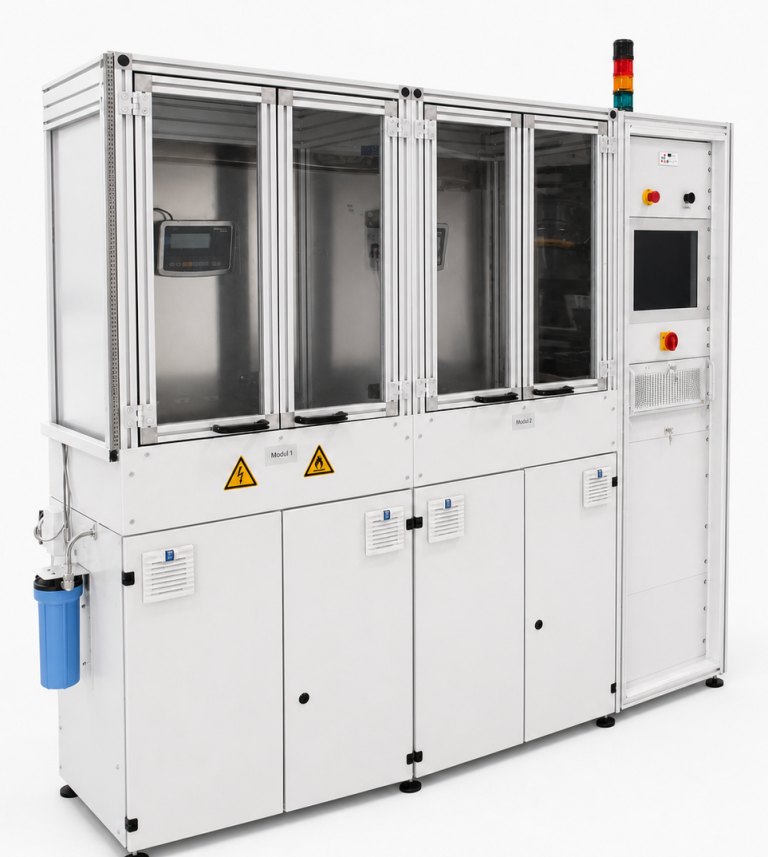
Aktivkohlefilter Beladestation G306 mit zwei Modulen
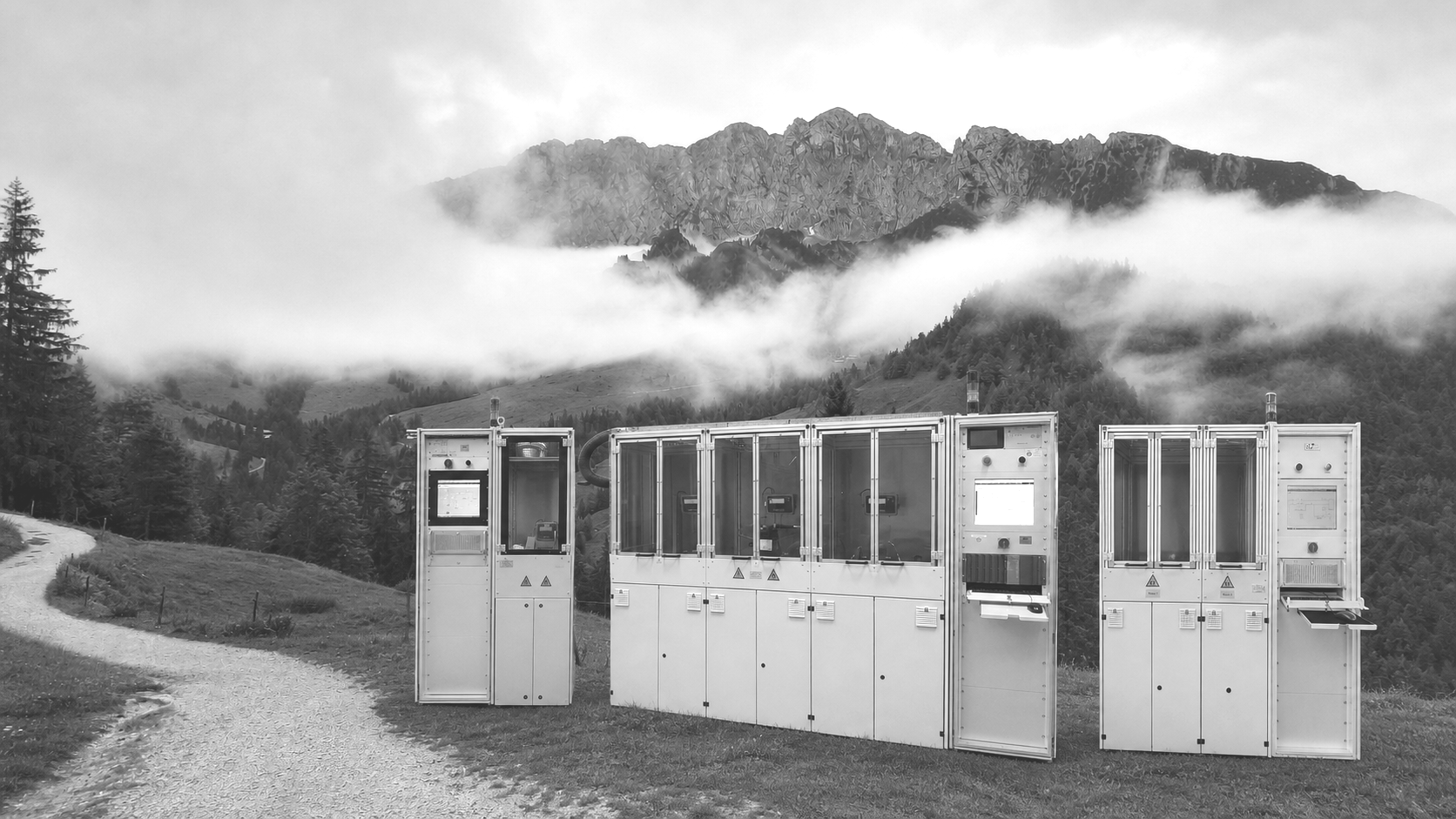
Actual system image, visually enhanced using AI; errors may occur.

Aktivkohlefilter Beladestationen – Plattform G306 und G517

SIGA supplies automated loading stations for testing activated carbon filters (ACF) since more than 10 years. The tested filters prevent fuel vapours from escaping into the environment in motor vehicles. Our test stations enable OEMs and service providers to ensure that the filters meet the requirements of the regulatory authorities. The systems comply with the requirements of CARB, EPA, CHINA VI and EU Directive 98/69/EC, amongst others. Depending on the configuration, up to four filters can be conditioned simultaneously – including aging, multiple loading and breakthrough testing.

Die Plattform G306 und G6517 bieten wir in verschiedenen Größen an. Von einem System mit einem AKF Belademodul Modulen. Zusätzlich bieten wir Module für die kontrollierte Befeuchtung sowie die Vorhaltung von Kraftstoff (G588) und Butan (G587).

System G306 AKF-Beladestation mit Butan

Our Butane ACF System G306: An adjustable and precisely metered gas mixture of butane and nitrogen is used for loading. Two MFCs per test module control the gas metering, thereby ensuring optimum test conditions. The loading capacity is determined both by the weight gain of the test filter and by the integrated mass flow.

Pressure testing, purging and the return of the residual volume are carried out automatically, with clear operating instructions provided via the control system.

Our ACF loading station also offers the option of simulating ageing processes in activated carbon filters.

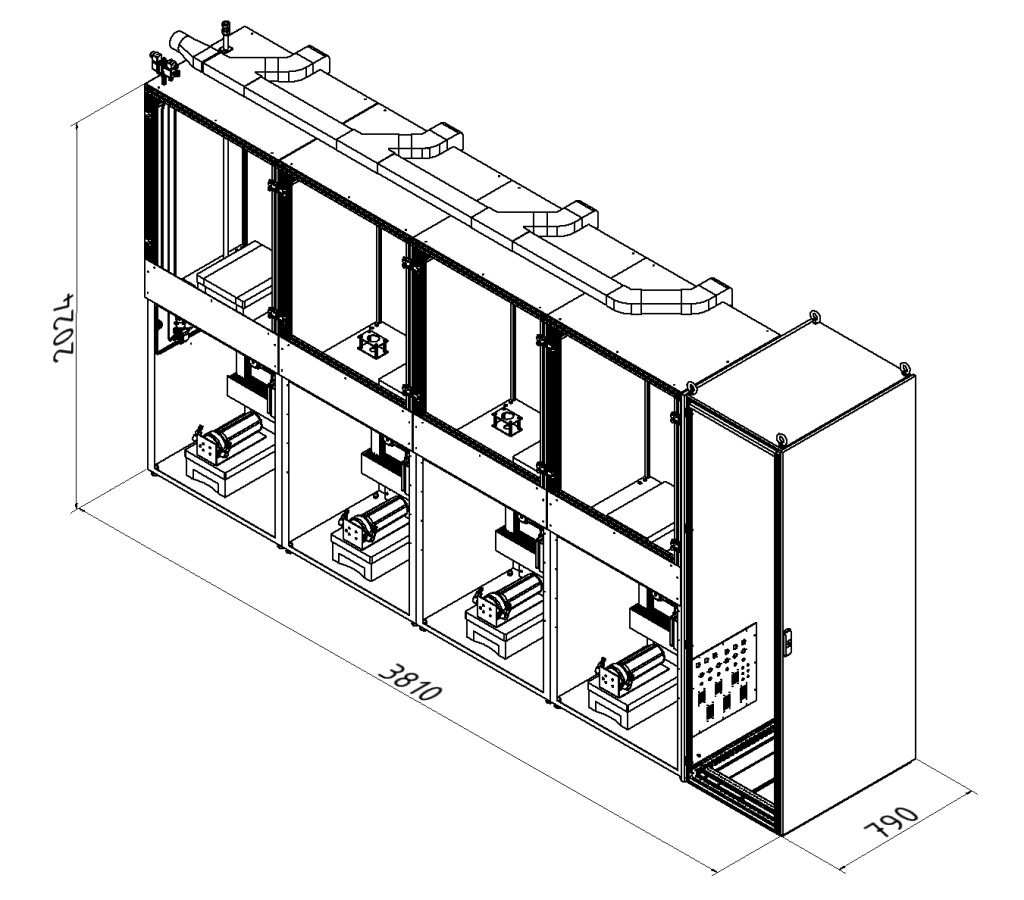
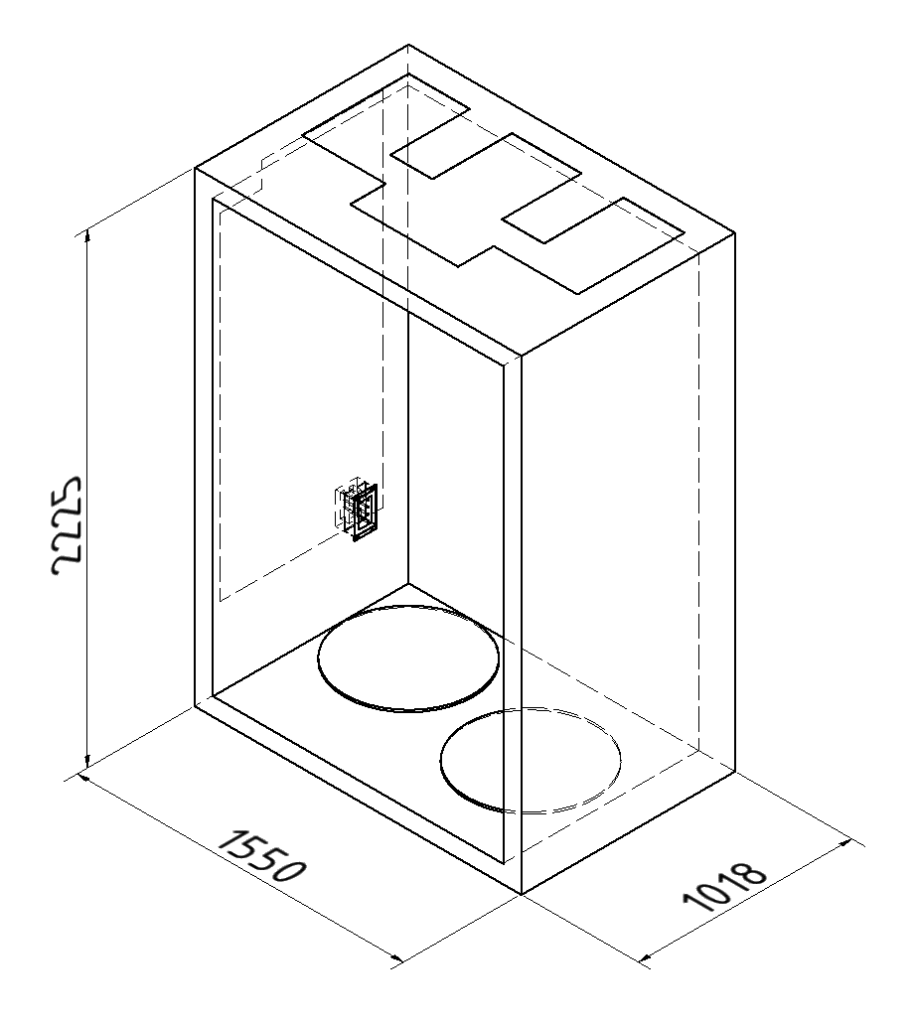
Depending on your test requirements, we offer our ACF systems with between one and four modules. The control and operator terminal is centrally integrated within the control cabinet in all versions.

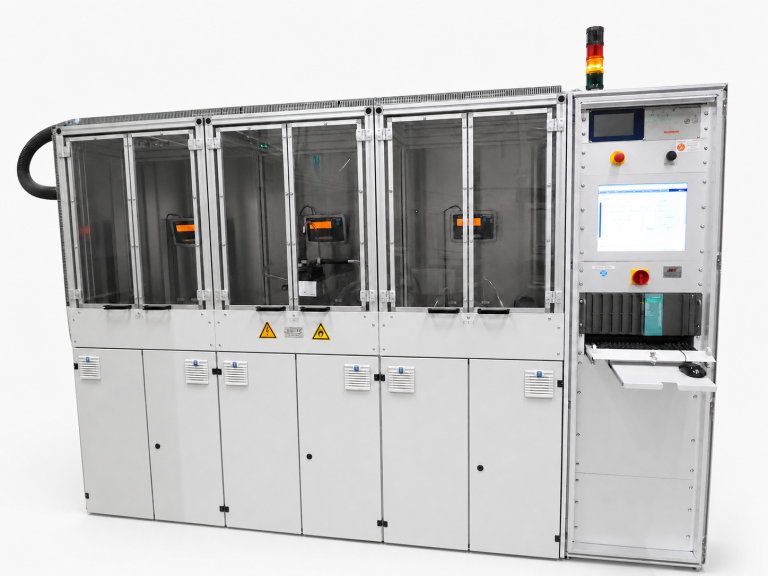
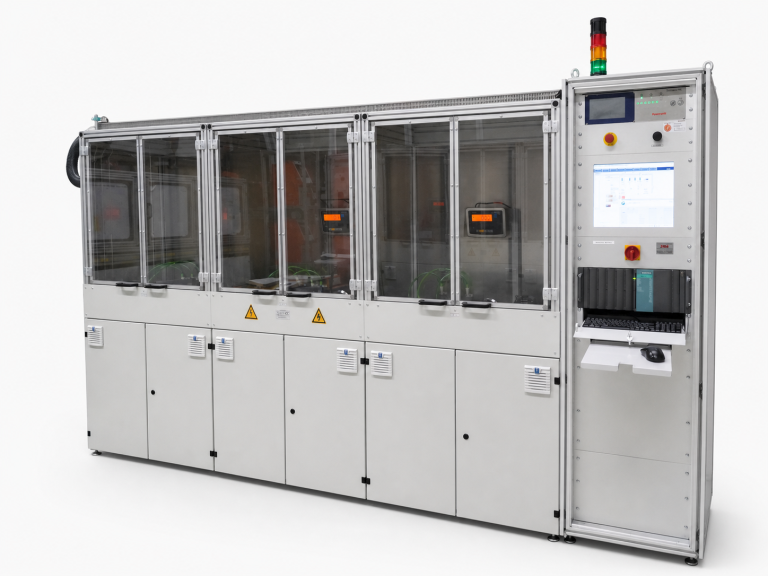
Aktivkohlefilter Beladestation G306 mit drei Modulen
Actual system image, visually enhanced using AI; errors may occur.
Aktivkohlefilter Beladestation

The ACF G306-030 loading system allows three ACFs to be loaded simultaneously and independently.

System G517 ACF loading station with petrol

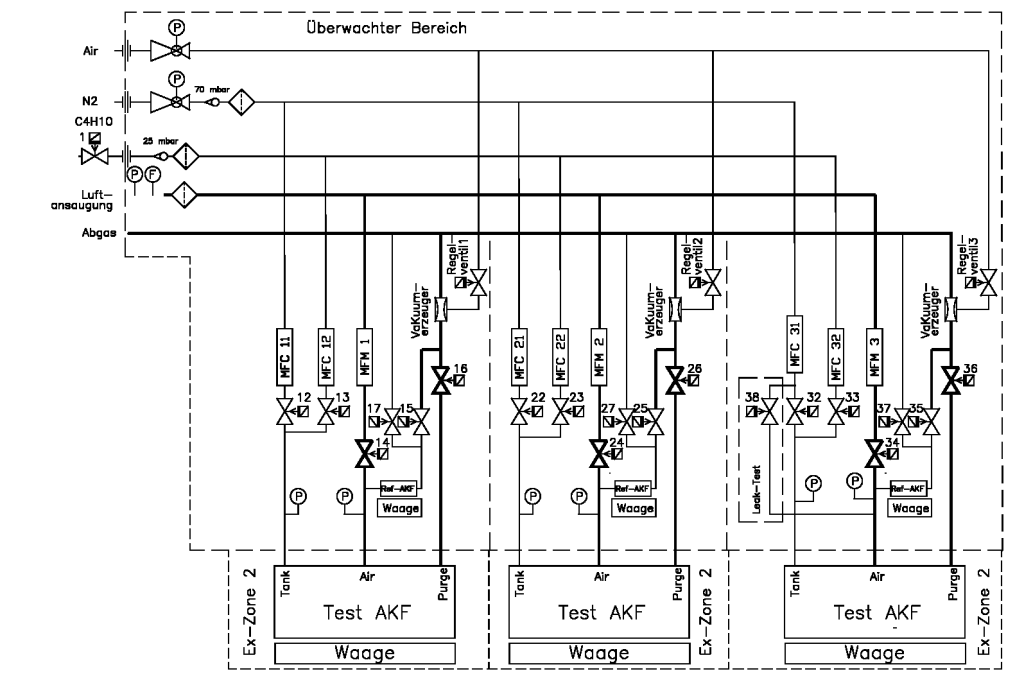
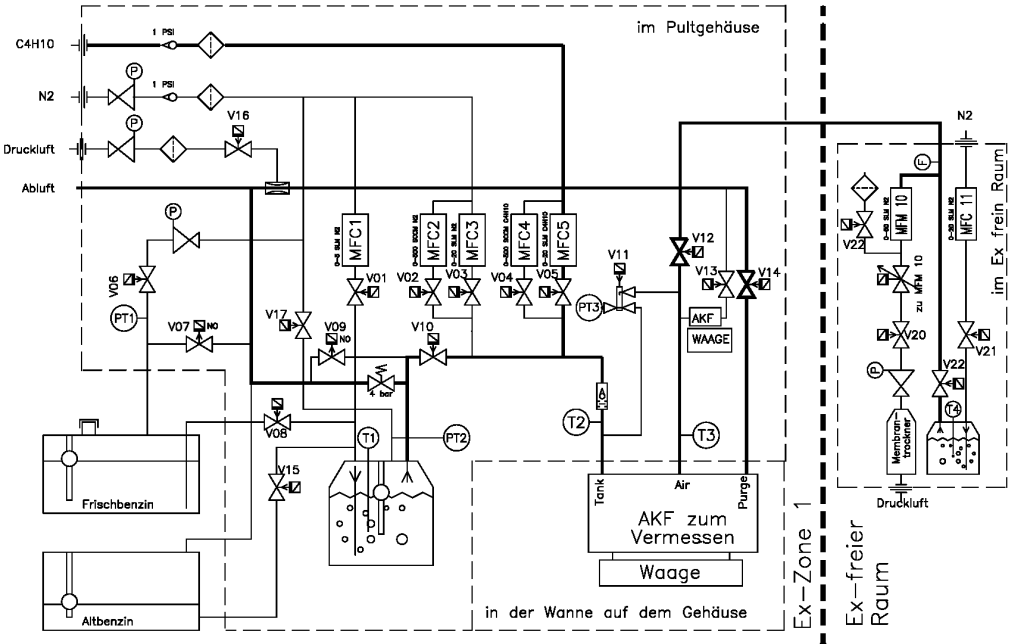
The ACF G517 petrol loading station enables activated carbon filters to be loaded with petrol vapours. It looks very similar to the butane loading station, but features an additional bubbler due to a slightly more complex process. This allows a flow of nitrogen to be enriched with petrol vapours.

Similar to the butane loading stations, the petrol loading stations are also equipped with two MFCs per test module. The filling capacity is determined both by the weight gain of the test filter and by the integrated mass flow.

Pressure testing, flushing, the return of the residual volume and the visualisation of ageing processes are carried out automatically, with clear operating instructions provided via the control system.

Depending on your test requirements, we offer our ACF systems with between one and four modules. The control and operator terminal is centrally integrated within the control cabinet in all versions.

As an additional option, our ACF G517 loading station with petrol can be used to loaad with butane as well as petrol.

Aktivkohlefilter Beladestation Benzin G517 RI Scheme
Aktivkohlefilter Beladestation Benzin G517
Actual system image, visually enhanced using AI; errors may occur.

System G588 butane and nitrogen storage

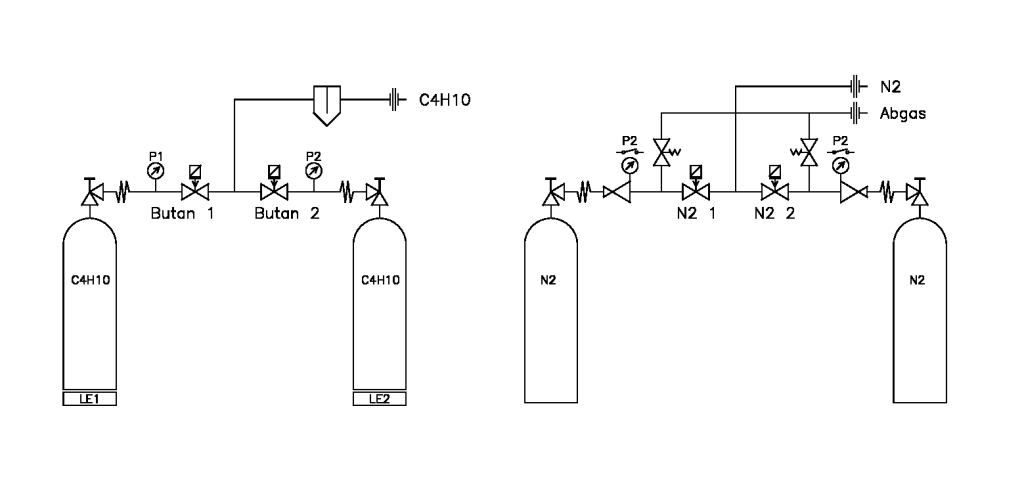
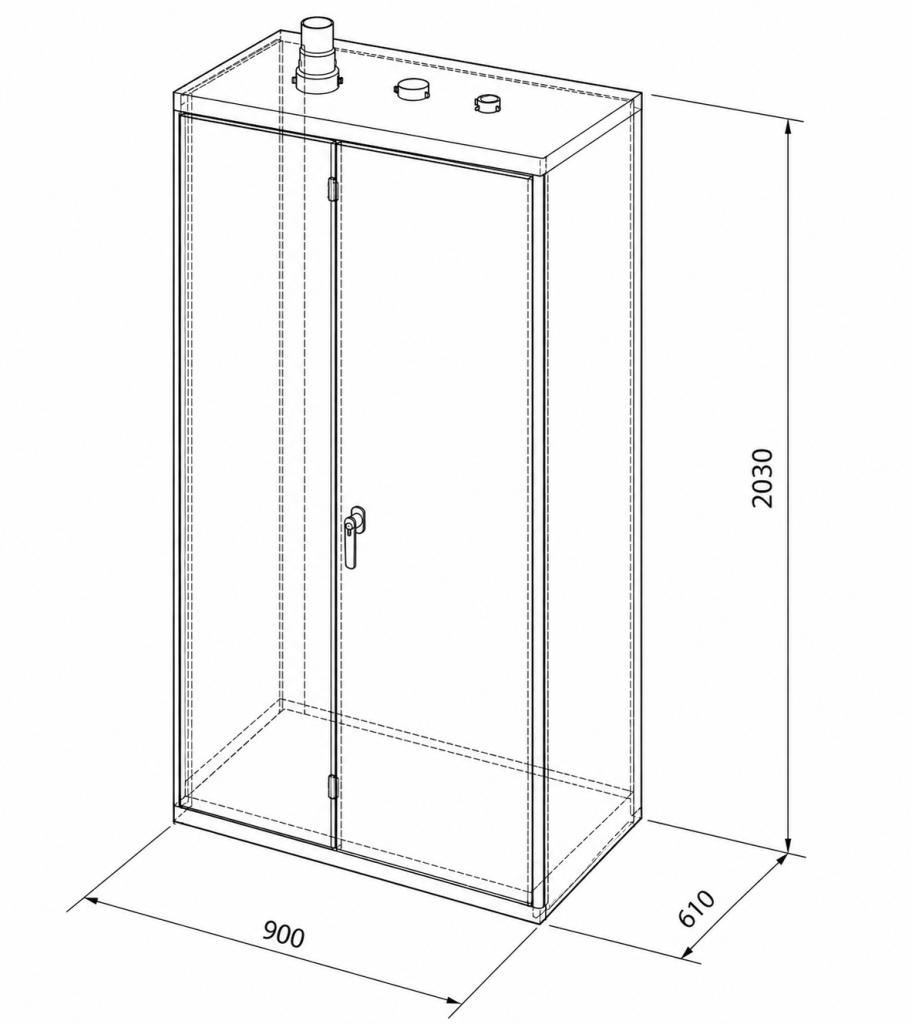
SIGA GmbH’s G588 butane and nitrogen storage unit enables the supply of butane or nitrogen to ACF stations; up to two cylinders are provided and the system switches automatically when one cylinder runs out.

Butanlager G588
Actual system image, visually enhanced using AI; errors may occur.
Butanlager G588 RI Schema

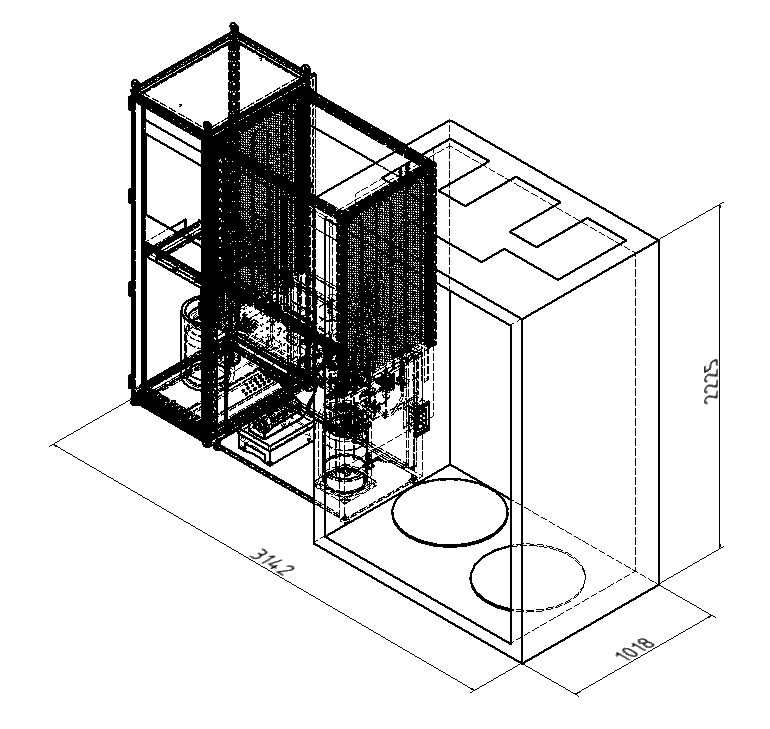
The G588 gas storage unit for one or two butane and nitrogen cylinders

System G587 petrol storage

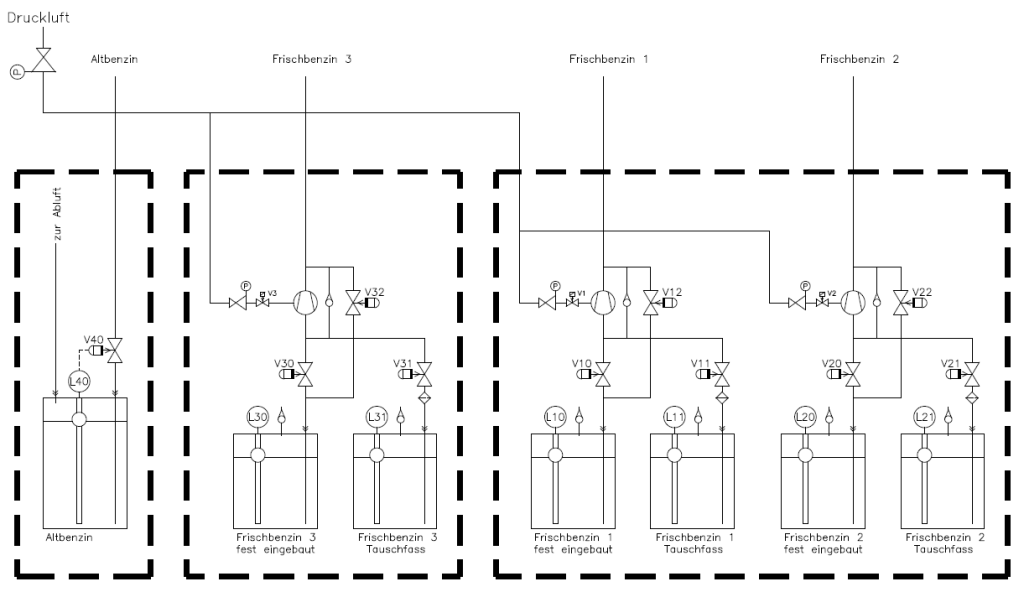
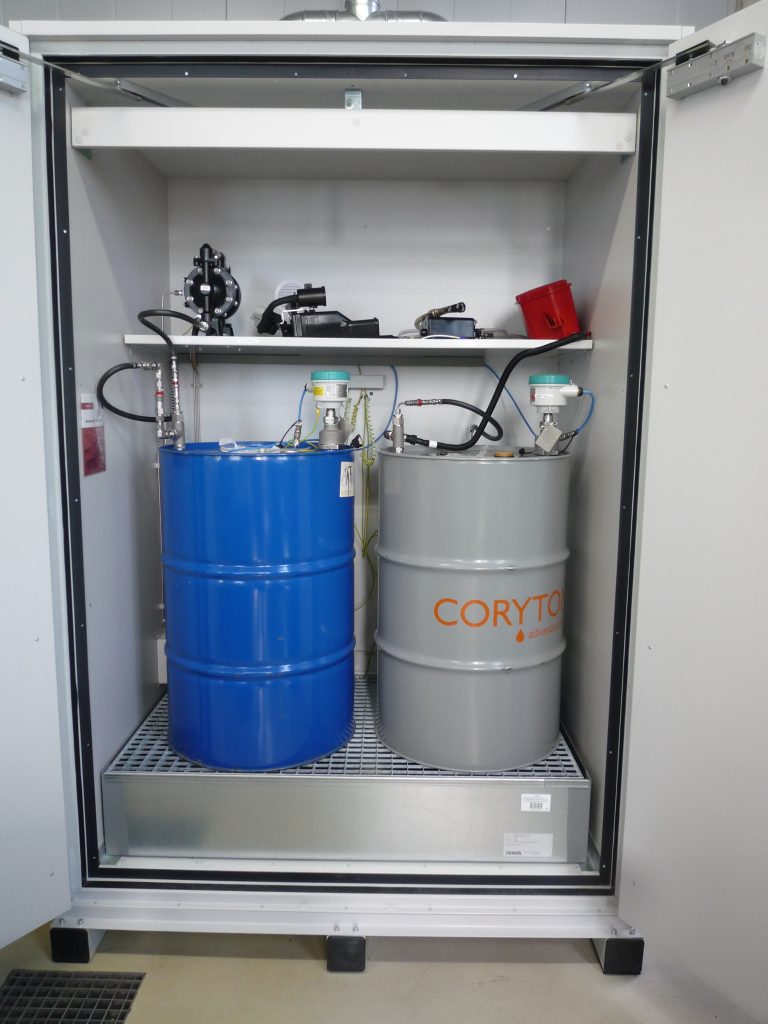
The G587 petrol storage allows petrol to be stored and dispensed from up to two drums. The drums are integrated into a safety cabinet. The G587 petrol storage is designed for use with petrol loading stations that operate directly with petrol vapour. This ensures a low-maintenance and reliable supply of petrol vapour.

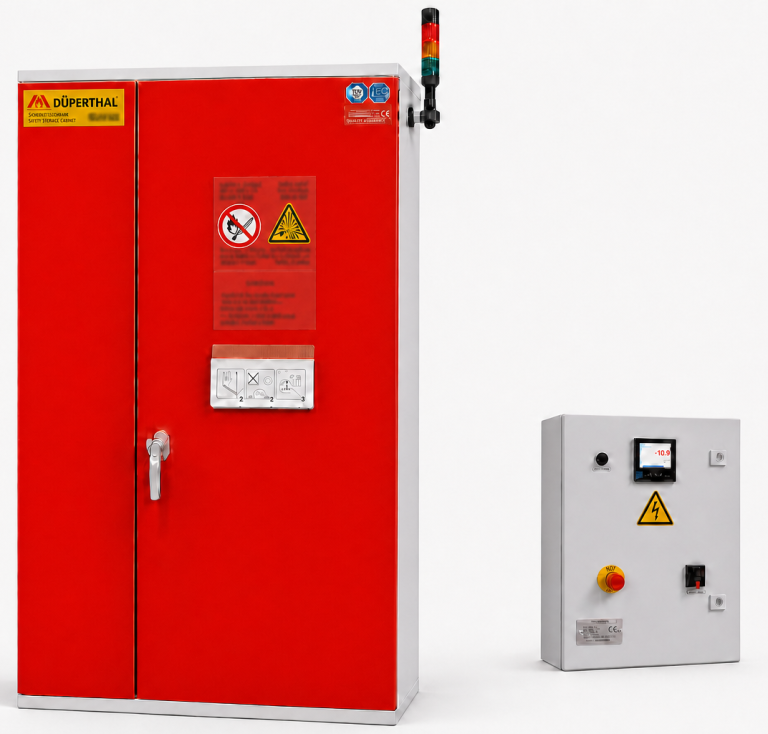
G587_BenzinLager
Benzinlager
Actual system image, visually enhanced using AI; errors may occur.

Our G587 petrol storage for loading stations is constructed as a modular system within safety cabinets. A combination of a stationary drum and a refill drum ensures uninterrupted refuelling.

Humidification module for ACF loading stations

Our system with a single AKF station: optimised for space and cost-effective. A precisely defined gas mixture of butane/N₂ or fuel vapour/N₂ is used for loading – controlled via two MFCs per test module.

Befeuchtungs_Modul_G306
Actual system image, visually enhanced using AI; errors may occur.

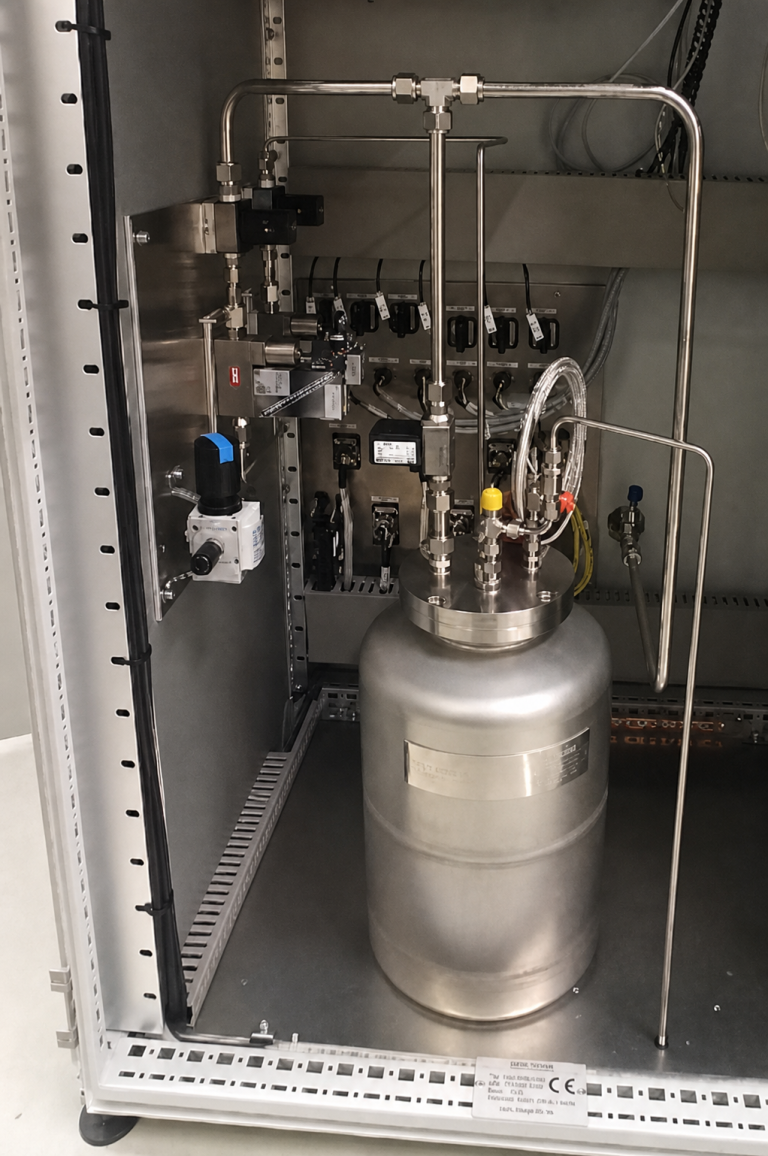
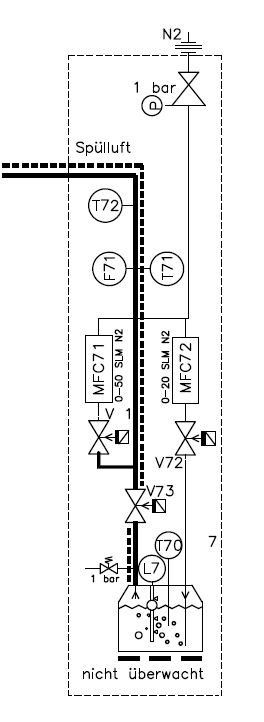
The humidification module consists of a bubbler in which nitrogen is humidified with ultrapure water. The bubbler may be heated or unheated. Two MFCs are used to mix dry and humid nitrogen in order to set the desired humidity at the humidity sensor. If necessary, a pipe trace heating system ensures that the humidity remains stable and that no condensation occurs.

Technical System Description

Konditioniersystem / Beladestation mit Butan und Kraftstoff

The ACF activated carbon filters used in motor vehicles with petrol combustion engines are loaded and purge in accordance with the US CARB and EPA regulations and EC Directive 98/69/EC.

The systems are designed for the simultaneous loading and purging of up to 4 AKF activated carbon filters for cars:

  • Activated carbon conditioning, loading up to 1.5 times the working capacity
  • Activated carbon loading until breakthrough
  • Activated carbon ageing, multiple loading and purging

Adsorption capacity and loading of the activated carbon:

The ACF for motor vehicles is loaded with a butane/N₂ mixture or a fuel vapour/N₂ mixture until breakthrough occurs. For each loading module, nitrogen and butane are metered in a 50:50 ratio using two mass flow controllers (MFCs). Any other mixing ratios can also be set using these MFCs. The control range of the devices is 10 to 500 Nml/min, which corresponds to a butane flow rate of 1.5 to 75 g/h. The gas mixture is fed to the activated carbon filter (ACF) via a flame arrestor. The outlet of the AKF under test is routed via valves to a further activated carbon filter. This reference filter is placed on a set of scales; a weight increase of 2 grams indicates breakthrough of the ACF under test.

Option 1: Set of scales for the ACF under test; the increase in weight is recorded during loading.

Option 2: Before the test begins, the tightness of the newly fitted hose connection is checked by applying N₂ pressure to each ACF. The butane flow is only released once this pressure test has been successfully passed.

Rinsing and cleaning the activated carbon filters:

To rinse and regenerate the activated carbon filter (ACF), ambient air is drawn through the ACF via a Venturi nozzle. The volume of air drawn in is passed through a particle filter and measured by a mass flow meter. The purge air flow rate is adjustable from 5 to 50 l/min. Control is achieved via the flow rate setting of the suction compressed air. The humidity and temperature of the purge air are measured and analysed.

Option: Adjustment of the purge air humidity within the range of 20 to 80% rH.

Control of AKF activated carbon filters for motor vehicles:

The system is controlled by a modern PC. The software carries out the routines required by the regulations and generates the corresponding documentation. The software is fully configured and tested for the entire user interface.

Safety measures for automotive activated carbon filters:

Hydrocarbon gas detection system; the number of sensing heads used is determined by the number of test modules. In the event of a pre-alarm at 20% LEL, all valves are closed. In the event of a main alarm at 40% LEL, the cabinet containing the ACF activated carbon filters is de-energised.

The gas lines, from butane and fuel through to the ACF, are constructed from stainless steel with compression fittings in the gas mixer and are technically permanently leak-proof. The ACF units to be tested are connected via hoses.

The ACF loading station is designed for operation in Ex Zone 2.